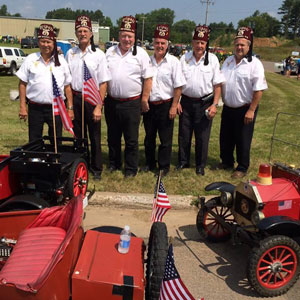
Chippewa Falls Shrine Club
Organized and chartered in 1946, helping carry Tripoli fellowship into northwestern Wisconsin.
Contact: Jon O’Connell, 715-726-1345
Tripoli Shriners is centered in Milwaukee, but its life is not confined to one building. The club network helps extend fraternity, friendship, participation, and charitable spirit into communities across Wisconsin. These clubs make it easier for nobles to stay connected locally while still remaining part of the larger life of Tripoli.
A strong shrine is not only a headquarters. It is also a network of relationships. The club structure helps Tripoli remain active across a wider geography by giving members local places to gather, support one another, and take part in the fellowship of the fraternity.
For some members, the local club is the most practical point of connection. It offers regular contact, a familiar circle of nobles, and an easier way to stay involved in shrine life without always traveling back to Milwaukee.
Tripoli clubs are part of the living structure of the fraternity. They help translate statewide identity into local belonging.
Club life strengthens the organization by creating places where members can gather more regularly, maintain friendships, welcome newer nobles, and keep the culture of the shrine active across the state.
Clubs give members a consistent local circle for meals, meetings, conversation, and fraternity.
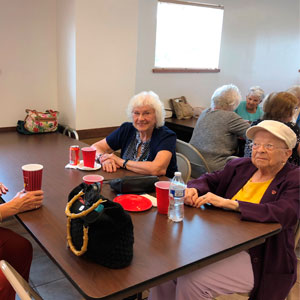
Each club reflects its own community while still remaining part of the larger Tripoli family.
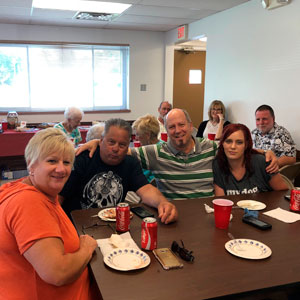
Distributed fellowship helps keep the organization resilient and connected across distance and time.
Tripoli clubs span multiple communities, showing the breadth of the organization’s presence and the many ways members remain connected to the shrine.
Organized and chartered in 1946, helping carry Tripoli fellowship into northwestern Wisconsin.
Contact: Jon O’Connell, 715-726-1345
Founded in 1921 and now inactive, but still part of the historical club network.
Chartered in 1944 and long known as one of the liveliest shrine clubs in Wisconsin.
Contact: Russell Gename, 262-697-3458

A local fellowship connection for nobles in the lakeshore region, helping extend participation beyond Milwaukee.
Contact: Don Adams, 414-378-9131
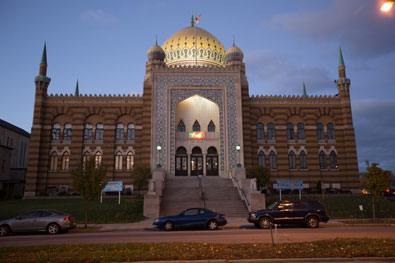
Originally chartered as the Rhinelander Shrine Club in 1940 before broadening its regional identity.
Contact: Ross Borchardt, 920-851-4747

A regional club that helps keep local ties strong while contributing to the wider Tripoli network.
Contact: Tom Schlicht, 414-852-3214
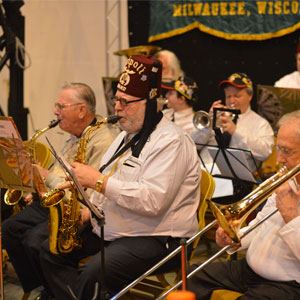
Organized in June of 1934, reflecting a long-standing presence in the region.
Contact: Ron Gustafson, 920-627-4107

A multi-community club structure that helps support regional participation and shared fraternity life.
Contact: Trent Vukodinovich, 262-210-2185
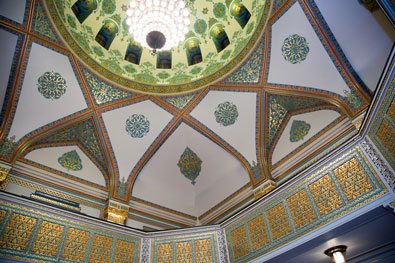
Organized in 1945 and part of the long-established suburban and regional Tripoli network.
Contact: Nathan Deverman, 262-719-4673
Organized in 1959, giving members another close-to-home point of connection to Tripoli life.
Contact: Glen Jones, 317-452-2455
Organized in 1971, with regular lunches, fellowship, and activities that make the club a steady social center for members.
With roots going back to 1920, this club emphasizes fellowship, Freemasonry, and support for Shriners Hospitals for Children.
Contact: Bill Hesser, 920-379-9886
Tripoli is not just a Milwaukee institution. The clubs show how the fraternity stays active in communities across the state, with local relationships that still connect back to the larger shrine.
That makes membership more durable and more personal. When fraternity can be experienced close to home, it becomes easier to stay involved, build lasting friendships, and remain connected to Tripoli over time.
Tripoli is centered at the shrine building, but the life of the fraternity extends far beyond one address. The club network keeps members connected in their own regions and shows how fellowship stays active across Wisconsin.
That matters for both current members and prospective ones. It makes clear that staying involved does not depend on always being at the Milwaukee center, because local club life gives people another real way to belong, participate, and stay close to the shrine.
Tripoli’s clubs keep the fraternity rooted in local communities while still tying every member back to the wider shrine.